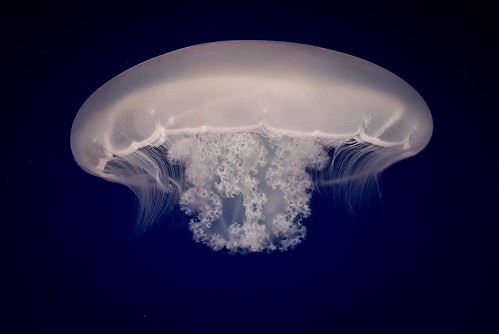
Aurelia Aurita Moon Jellyfish by Mason Bryant CC BY 2.0
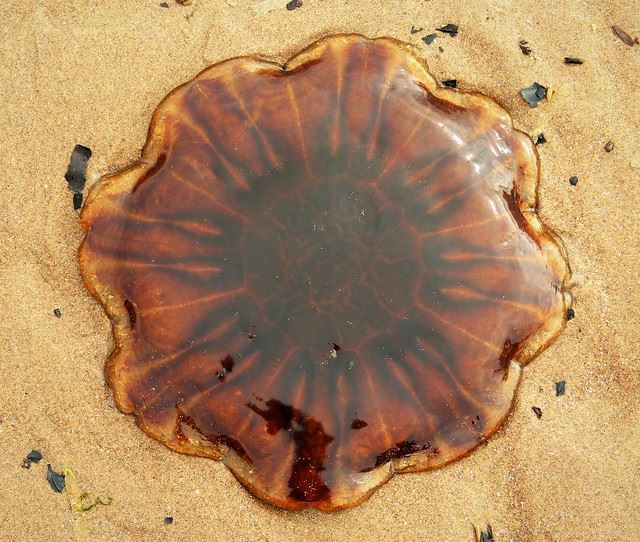
Lion’s Mane Jellyfish by Gail Hampshire CC BY 2.0
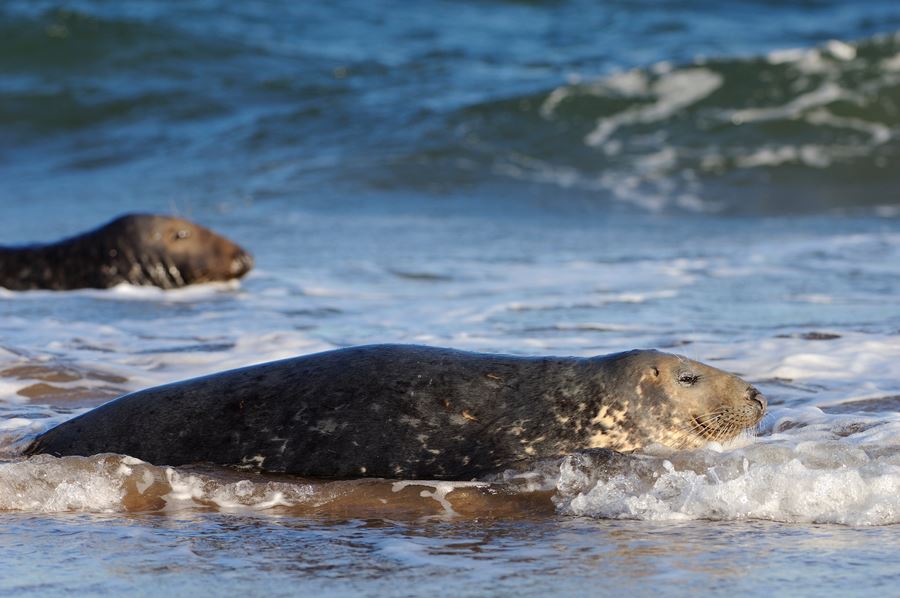
Grey Seal © Lorne Gill / SNH

Otter by Josh Moore CC BY 2.0
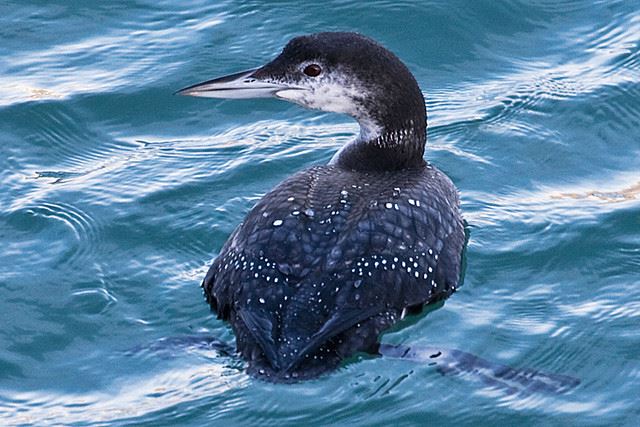
Great Northern Diver (Gavia Immer) by Tony Morris CC BY 2.0
Marine Life
Crustaceans
Shore and velvet crabs are common and easy to catch
but remember to keep them in a bucket of fresh sea
water and put them back before you leave.
Sea anemones, urchins and starfish can be found in
rock pools at low tide.
Jellyfish
Several species of jellyfish
make Tarbert their
summer home. The first to
arrive and the most
common is the moon
jellyfish.
The barrel jellyfish, at
35Kg is the largest to visit
UK waters and is regularly
seen in the Clyde. It is a major food source for a much
rarer visitor: the leather back turtle. Male leatherbacks
make their way all across the Atlantic from their
spawning grounds in the Caribbean. Leatherback
turtles tend to remain well out at sea so you are unlikely
to see them. One was caught in a fishing net and
landed in Tarbert harbour.
Jellyfish have had a bad press for their stings, which
they use to protect themselves from predators. The
sting of the moon and barrel jellyfish is very mild and
unlikely to harm most people. The red compass and
lion’s mane however do have a nasty sting - so look but
don’t touch!
Fish, Seals and Otters
The vast shoals of herring that used to frequent the
loch have gone but mackerel shoals are abundant in
the summer.
Look out for seals: they quite often come into the
harbour in search of fish
Otters can come right into the harbour and can be
found all along our coast. When you are on the beach
look out for otter signs: crab shells, fish scales and
bones on rocks are the remains of his supper. On
sandy beaches look out for paw prints: otters have five
toes whilst dogs only have four. Our otters are the
same species that are making a comeback in Britain’s
rivers; however, on our fish-rich rocky shoreline otters
have taken to the sea to hunt. Once a day they still
have to return to a fresh water to wash the salt water
out of their coats.
Cetaceans
The Clyde is rich in cetacean species.
Harbour porpoise can often be seen from the Tarbert -
Portavadie ferry. Look out for them about a kilometre
offshore; this is where the seabed deepens dramatically
(known as a “drop-off”) and it is here that fish
congregate.
Bottlenose dolphins, roam over large areas. They visit
the harbour occasionally and enjoy bow-riding – if you
are very lucky you might see them do this beside the
ferry.
Minke whales regularly come up the Clyde in summer.
In 2015 a humpback whale was seen breaching in Loch
Fyne: an incredible sight! In 2018 a pod of killer whales
was spotted in the Clyde.
Basking Shark
Basking sharks (the world’s second largest fish) live on
plankton and congregate in Loch Fyne during the
summer. You might be lucky and see them from the
Portavadie ferry.
West Loch and the Atlantic
The West Loch is shallow and brackish compared to
Loch Fyne. It faces the Atlantic Coast but has a narrow
entrance and is sheltered by the islands of Gigha, Islay
and Jura from the worst of the storms. It is home to
oysters, scallops and mussels, including the larger horse
mussel and a different range of bird species including
great northern divers and red-breasted mergansers.
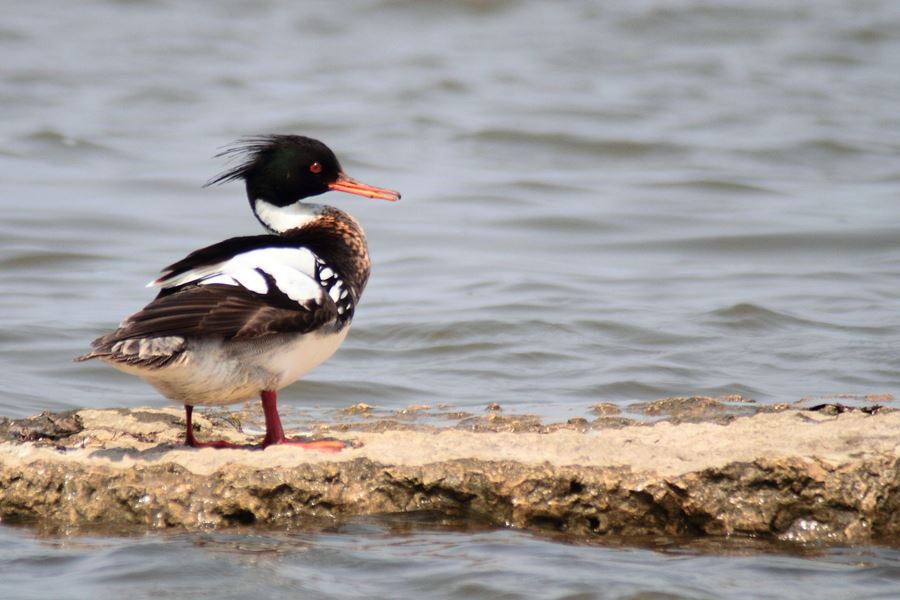
Red Breasted Merganser by Alicia Lynn CC BY 2.0